


Quick answer: Trap the mice out on their wall runways while you leave the entry points open, confirm the activity has stopped for at least three nights, and only then seal the gaps with steel wool and sealant. Sealing first is the mistake that traps mice inside to die, which is what causes the rotting smell in the plaster.
A house mouse slips into a wall through a gap about the width of a pencil, roughly 6 millimetres, because its skull is the only rigid part it has to fit through. Left alone, the problem compounds fast, since one female produces five to ten litters a year and her daughters breed at six weeks old.
There is a correct order to removing them, and running it backwards is exactly why some homes end up living with a smell for weeks. This guide walks that order.
Table of contents
-
- How do I know it’s mice and not rats or possums?
- Why do mice live inside walls?
- Why does sealing the wall first cause a smell?
- How do you trap mice inside a wall cavity?
- Which removal method works best?
- What if a mouse has already died in the wall?
- How do you seal mice out of an Australian home?
- When should you call a professional?
- The short version
- FAQ
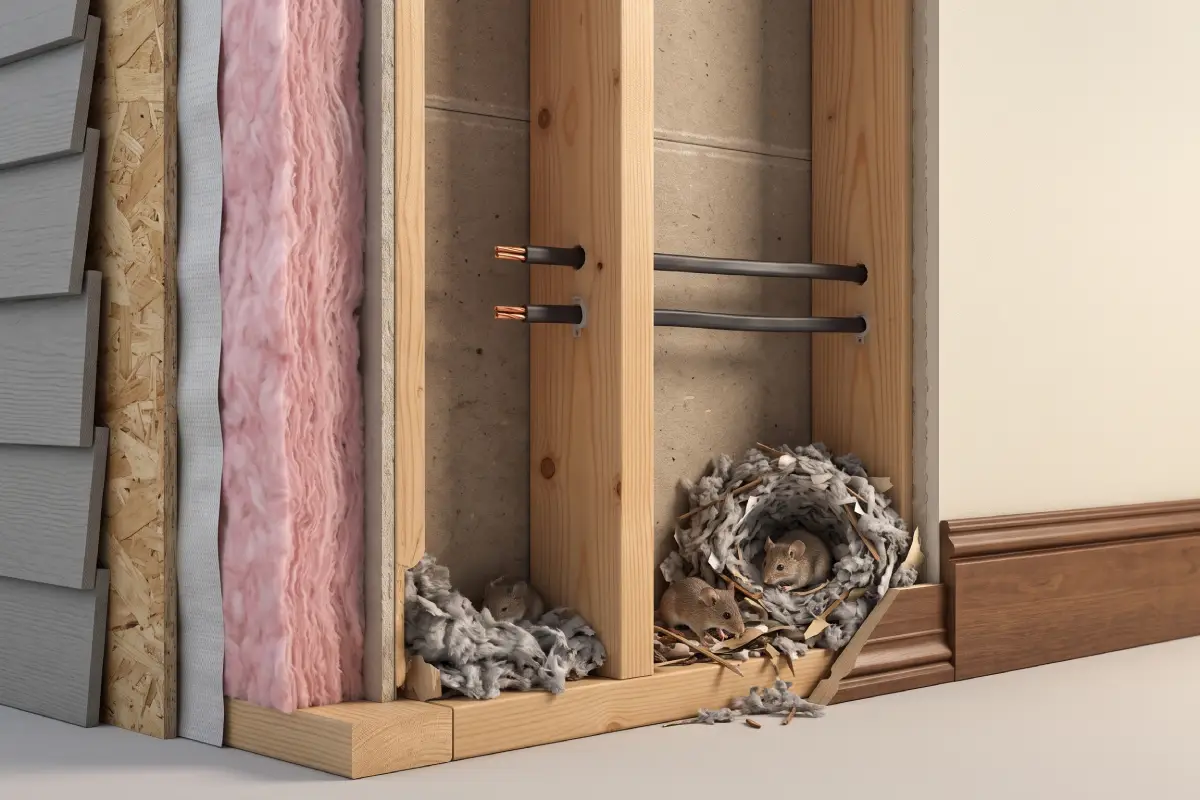
How do I know it’s mice and not rats or possums?
Match the sound and the droppings before you buy anything. Mice make light, fast scratching and faint squeaks after dark, usually near skirting boards or power points. Rats sound heavier and slower, and possums in a roof are louder again.
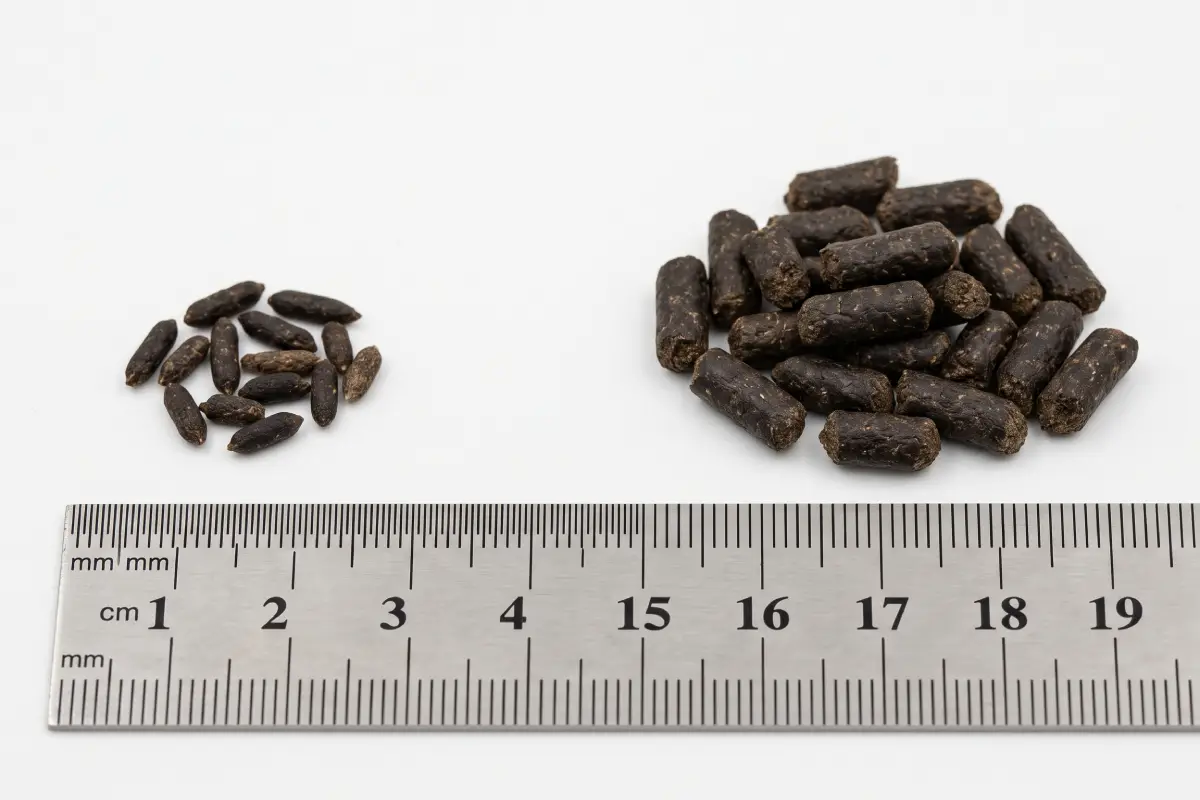
Droppings settle it. Mouse droppings look like dark grains of rice, about 3 to 6 millimetres. Rat droppings run 12 to 18 millimetres, which changes the traps and the gap sizes you seal.
The same droppings-first logic applies to telling whether you have bed bugs, since bite patterns and faecal spotting on a mattress point to a completely different pest than droppings along a skirting board.
Then scan for the supporting signs:
- Greasy smudge marks along skirting and around holes
- Gnaw marks on timber, plastic, or cable
- Small piles of shredded insulation, paper, or fabric
Why do mice live inside walls?
Wall voids are warm, dark, and close to the kitchen, so mice nest and travel there instead of crossing open floors. They rarely come out in daylight and forage within a few metres of the nest.
This is why the standard advice fails. A trap in the middle of the room sits in open ground a wall mouse avoids. Traps catch mice when you place them on the runways, tight against the wall where the mouse already runs.
It also helps you find the source. Droppings and smudge marks usually lead back to the same gap the mice enter through, and the nest sits close behind it.
Why does sealing the wall first cause a smell?
Because live mice sealed inside a cavity have nowhere to go, so they die in the wall and the odour seeps through the plaster over the following days. Blocking the holes feels like the obvious first move, and it is the single action that creates the horror-story smell.
Warning: Never seal the entry points while mice are still active inside. Trap them out first. Sealing first turns a mouse problem into a dead-mouse problem behind your plaster.
Follow this order instead:
- Find the activity and the entry points. Track droppings, smudge marks, and sound to the active wall and the gap feeding it.
- Trap aggressively while the entries stay open. Give the mice a reason to hit your traps rather than a reason to hole up.
- Confirm it has stopped. Wait for at least three nights with no new catches, droppings, or noise.
- Seal only now. Close every gap once you are confident nothing is left inside.
The big pest-brand guides list “trap” and “seal” as two equal bullet points and bury this timing. That gap is why the smell keeps happening to people who followed the instructions.
How do you trap mice inside a wall cavity?
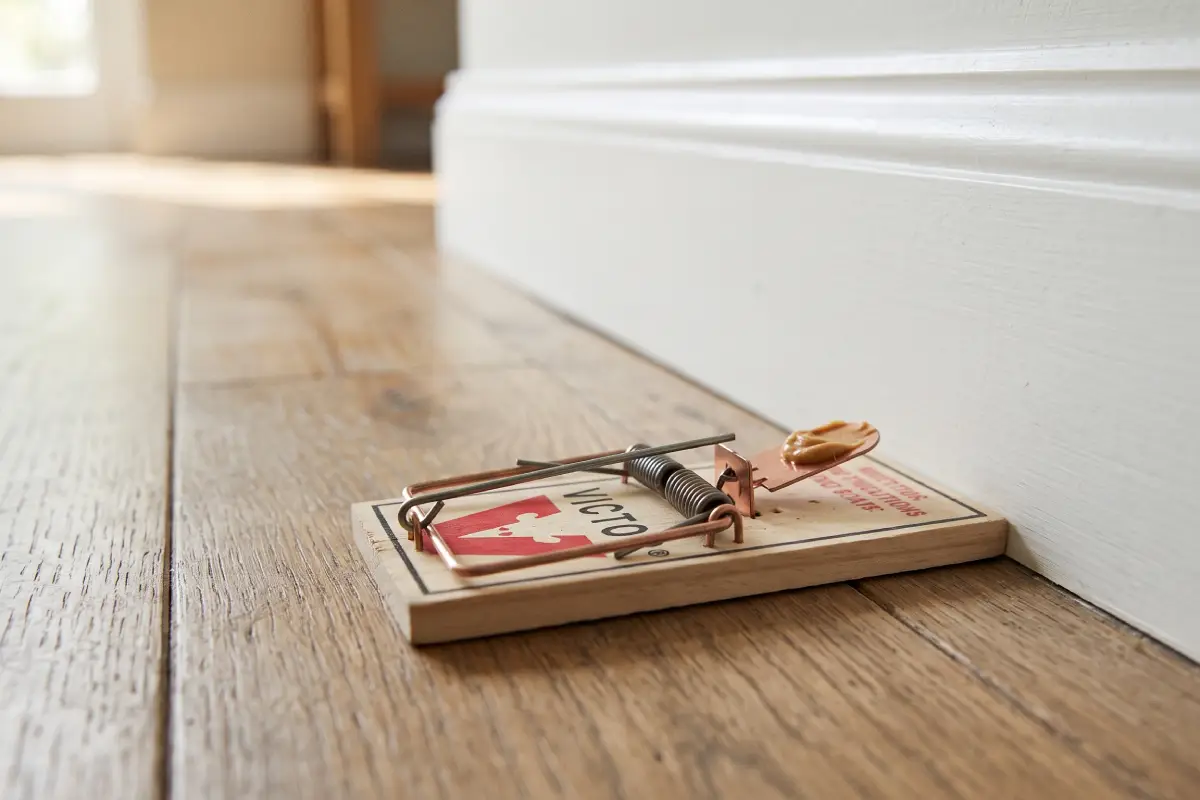
You cannot set a trap inside a sealed cavity, so you bring the mice to traps at their exit points. Set snap traps on the floor hard against the wall, trigger end toward the skirting, so a mouse running the edge meets it head-on.
Use several traps spaced a metre or two apart along the active wall. Mice make many short trips each night, and more traps means more chances on the same run.
Bait with a smear of peanut butter or hazelnut spread rather than cheese. A small dab makes the mouse work at it and trip the trigger, and it will not dry out or drop off like a hard lump.
If mice stay behind the plaster and will not come out, make an access point. Drill a coin-sized hole low on the skirting, set a baited trap inside a box against the hole, and let the mouse enter to feed. Check and reset morning and night until three clear nights pass.
Which removal method works best?
Snap traps remain the best choice for a wall problem because they let you remove the body, which poison does not. Two popular options actively make a wall problem worse. Here is how they compare.
| Method | How it works | Best for | The catch |
| Snap traps | Instant kill on a spring trigger | Wall runways, small to moderate numbers | Needs correct placement; empty and reset often |
| Live-catch traps | Traps the mouse unharmed for release | People who will not use lethal traps | Release 2+ km away or it returns; check often |
| Bait stations (rodenticide) | Mouse eats poison, dies later | Heavy numbers, roof cavities | Mice die inside the wall; secondary poisoning risk to pets, owls, and wildlife |
| Glue boards | Mouse sticks to an adhesive tray | Rarely a good choice | Slow, inhumane, and restricted in some settings |
| Ultrasonic repellers | Sound meant to drive mice off | Marketing, mostly | No reliable evidence they clear an infestation |
If you use bait for a large roof-cavity population, accept that you are choosing the odour risk in exchange for volume.
What if a mouse has already died in the wall?
Find the source, then decide whether to wait it out or cut in. The odour is sharp and sweet, and it usually peaks then fades over one to three weeks as the body dries.
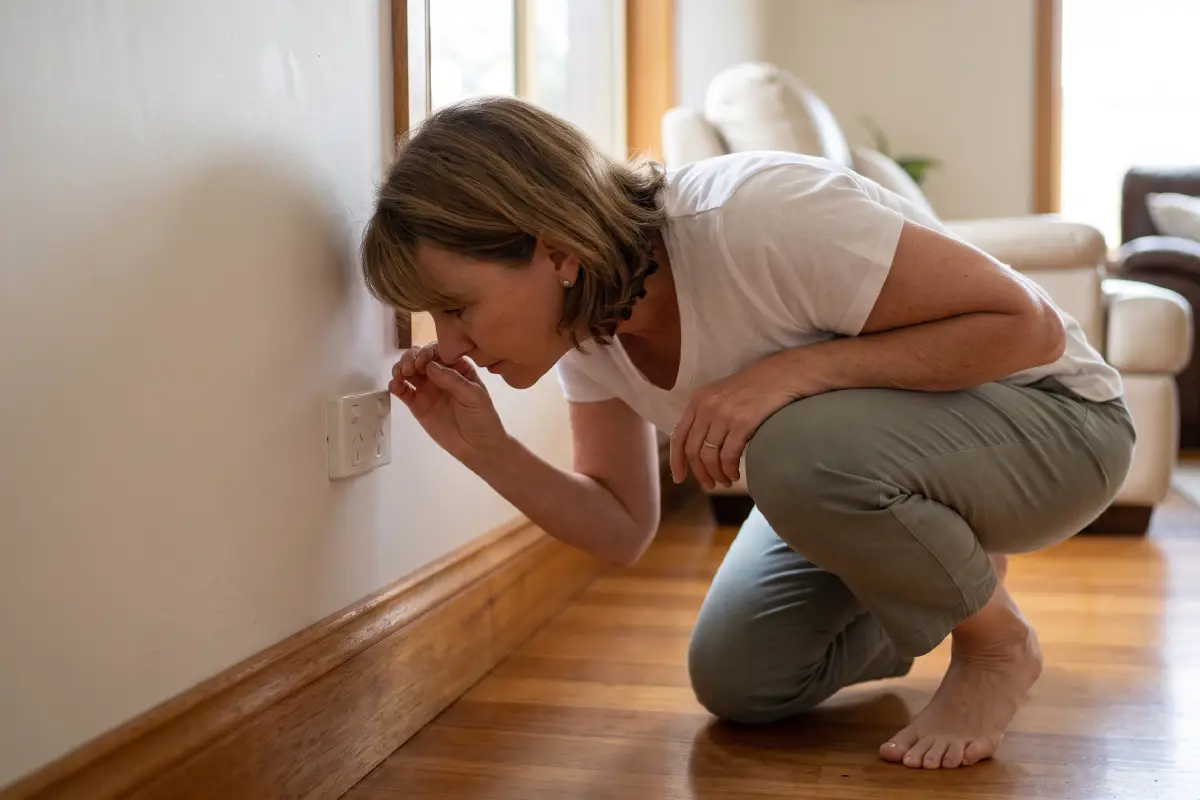
Locate it first. The smell is strongest at the source, and small flies or a greasy stain on the plaster point to the spot. Run your nose along skirting and power points on a warm day when the odour lifts.
Then choose your fix:
- Wait if the smell is faint and you can live with a week or two.
- Cut a neat inspection hole in the plaster to remove the body now, which is worth it near a bedroom or living area.
Once the body is out, wipe the area with disinfectant, air the room, and use an odour neutraliser rather than an air freshener that only masks. Bicarbonate of soda or activated charcoal near the spot pulls the last of it.
How do you seal mice out of an Australian home?
Pack each gap with steel wool or copper mesh and cap it with flexible sealant, because mice chew through foam and silicone alone but not metal. Only do this once the trapping has stopped the activity.
Australian homes leak in predictable spots:
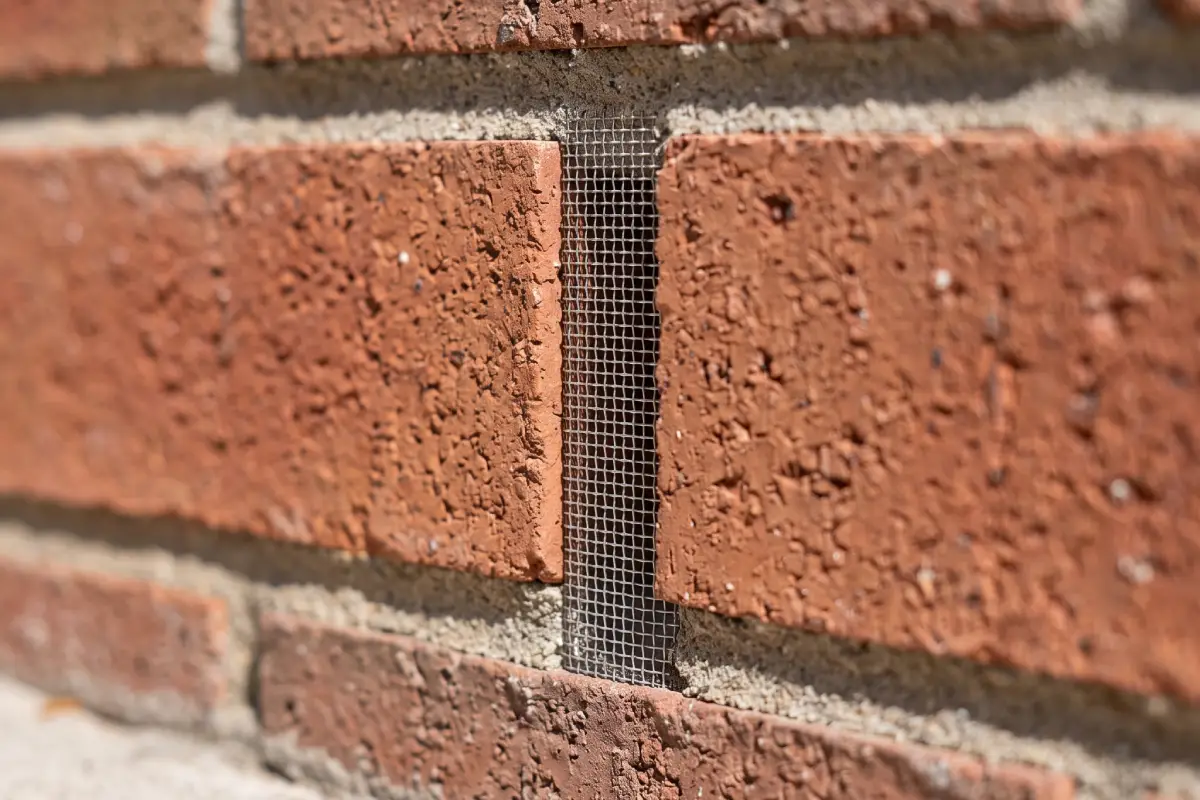
- Brick-veneer weep holes
- Subfloor and wall vents
- Gaps where pipes and cables pass through
- Weatherboard joins
- Roof-cavity gaps around the eaves
Cover vents and weep holes with fine stainless mesh or purpose-made weep-hole covers that keep airflow while blocking mice. Fit door sweeps on external and garage doors, since the gap under a door is a highway.
Cut the food and shelter outside too. Trim back plants and move firewood away from the walls so fewer mice test your seals in the first place.
When should you call a professional?
DIY handles a single mouse or a handful caught over a week. Call a pro when the numbers keep climbing or the nest sits somewhere you cannot reach. A deep roof or double-brick cavity, or weeks of catches with no end, are the signals.
Eastern Australia also gets periodic mouse plagues, like the outbreak across New South Wales and Queensland in 2021, when homes faced numbers no trap line could match. The NSW Government’s mice management guidance confirms these outbreaks demand an integrated approach beyond home-scale trapping. Those conditions call for professional treatment.
Read the advice sources with a filter. Companies that sell call-outs recommend a pro for every case, and retailers push products. Use the reach test instead: if you can find the runways and the gaps, DIY is realistic; if you cannot, pay someone who can.
If you’re in South East Queensland and the numbers keep climbing, Rodent Pest Control Brisbane.com handles wall and roof-cavity infestations that go beyond a home trap line.
The short version
Getting mice out of your walls is not one trick, it is an order. Trap them out on their wall runways while the entries stay open, confirm the activity has stopped, then seal the gaps.
Skipping to sealing is what traps mice inside to die and creates the smell that ruins the job. Snap traps against the skirting remove the body cleanly, which poison cannot.
How far you take it yourself depends on reach and numbers. A few mice in accessible walls is a weekend job. A deep nest, climbing numbers, or plague conditions is the point to bring in a professional.
FAQ
Can mice chew through a wall to get out?
Yes. Mice gnaw through plaster, soft timber, and plastic, though a sealed metal barrier stops them. This is another reason to trap them out rather than trust a seal to hold live mice inside.
How long does a dead mouse smell last in a wall?
Usually one to three weeks. The odour peaks in the first few days and fades as the body dries out, faster in a warm, ventilated space.
Will mice in the walls leave on their own?
No. Indoors they breed year-round with food, warmth, and shelter, so a small problem grows rather than clears itself.
Do ultrasonic repellers get rid of mice in walls?
There is no reliable evidence they clear an infestation. Mice adjust to the sound, and it does nothing about the mice already nesting in the cavity.
Should I use poison for mice in the walls?
Only with caution. Poisoned mice die inside the wall and create the odour problem, and rodenticide carries a secondary poisoning risk to pets and native wildlife. Snap traps let you remove the body.


