


Cats are famous for their independence, elegance, and meticulous grooming habits. As natural self-cleaners, most cats rarely require human intervention to stay clean. Yet, when the occasion arises to bathe a cat—perhaps due to a messy mishap, skin conditions, or an unpleasant odour—it quickly becomes clear that this task is no easy feat.
So, why is it so hard to bathe a cat? And is bathing truly stressful for our feline friends? Let’s dive into these questions and explore practical tips to make the process smoother for both you and your cat.
Why Is Bathing a Cat So Hard?
The challenge of bathing a cat boils down to a combination of their instinctual behaviours, physical sensitivity, and dislike of water. Here’s a closer look at why your cat might resist bath time so vehemently:
Cats Dislike Water
Unlike dogs, most cats have an inherent aversion to water. This stems from their evolutionary history. Domestic cats descend from desert-dwelling ancestors, where water was scarce and swimming unnecessary. As a result, cats aren’t naturally inclined to enjoy being wet.
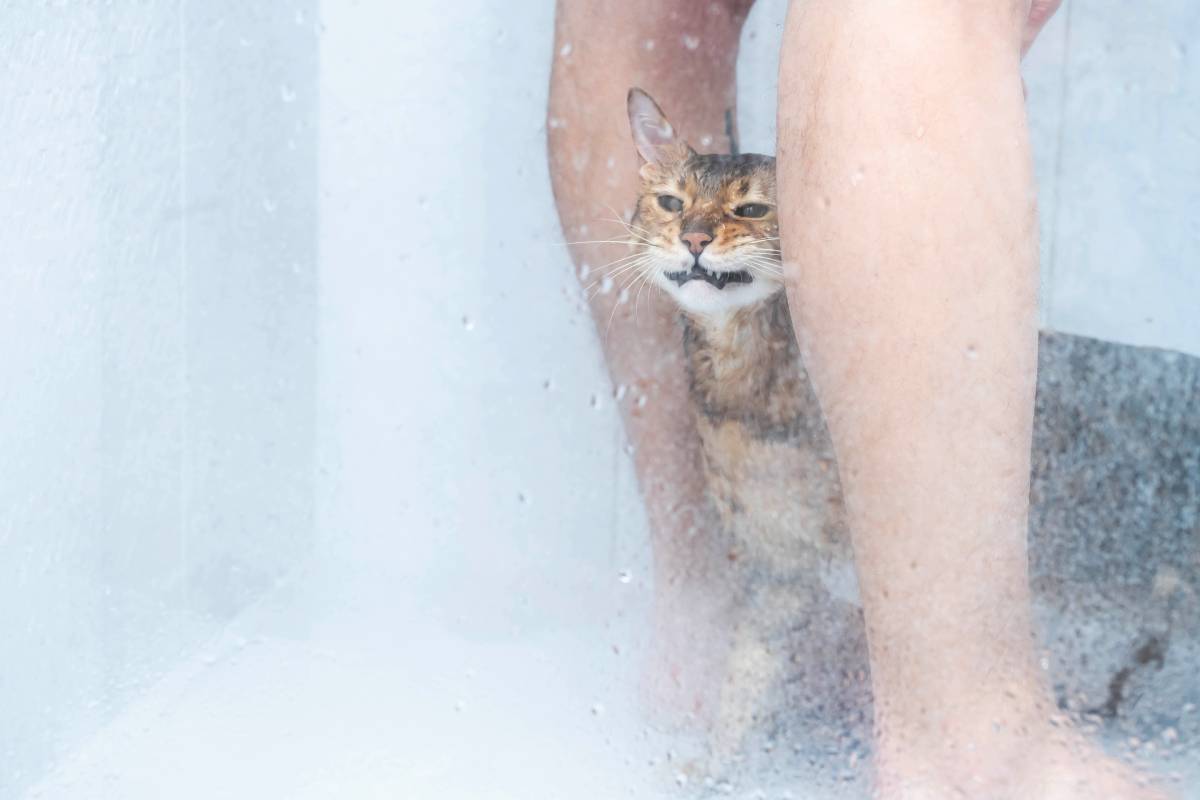
Water can also make a cat feel vulnerable. A wet coat is heavier, which limits their agility and makes it harder to escape potential threats. Additionally, the sensation of water against their skin may feel uncomfortable or even overwhelming.

They Are Self-Grooming Experts
Cats are fastidious groomers, spending up to 50% of their waking hours licking and cleaning themselves. Their sandpaper-like tongues are incredibly effective at removing dirt, distributing natural oils, and keeping their coats in top condition.
When you attempt to bathe a cat, they may perceive it as unnecessary interference. To them, you’re fixing something that isn’t broken.
Cats Don’t Like Being Restrained
Cats are fiercely independent creatures. Being held down during a bath can make them feel trapped and threatened, triggering their fight-or-flight response. Their sharp claws and teeth, combined with a knack for wriggling out of tight spots, can make bath time a challenging ordeal.
Water Temperature and Sensory Overload
Cats are sensitive to changes in their environment. Bathing involves several unfamiliar sensations: the sound of running water, the feel of wet fur, and the strange smell of shampoo. If the water temperature isn’t just right—too cold or too warm—it can add to their discomfort and anxiety.
Is Bathing Stressful for Cats?
For most cats, bathing is indeed stressful. Here’s why:
It Breaks Their Routine
Cats thrive on routine and predictability. A bath is far from their normal activities, making it a sudden and disruptive event. This unexpected change can lead to heightened stress and anxiety.

It Exposes Them to Perceived Danger
Cats are naturally cautious animals, and being in water may trigger their survival instincts. They might interpret the situation as a threat, which is why many cats respond with fear or aggression during a bath.
It Removes Familiar Scents
A cat’s scent is an important part of their identity. Bathing removes their natural oils and familiar smells, which can leave them feeling disoriented and insecure.
It Can Be Physically Uncomfortable
If not handled properly, bathing can cause physical discomfort for a cat. For instance, soap residue left on their fur can irritate their skin, and improper drying can leave them cold and unhappy.
When Should You Bathe a Cat?
Despite their dislike of baths, there are situations where bathing a cat may be necessary:
- Fleas or Skin Conditions: If your cat has a flea infestation, allergies, or a skin condition that requires medicated shampoo, a bath might be essential.
- Toxic Substances: If your cat gets into something harmful (like motor oil, paint, or chemicals), a bath is necessary to remove the substance from their fur.
- Excessive Dirt or Odor: Outdoor cats or cats with long, thick fur may occasionally need a bath if they get particularly dirty or smelly.
- Elderly or Sick Cats: Some cats lose the ability to groom themselves effectively due to age, illness, or obesity. A gentle bath can help keep them clean.
For most healthy indoor cats, baths are rarely required. Regular brushing and spot cleaning with a damp cloth are usually sufficient.
How to Bathe a Cat with Minimal Stress
If you must bathe your cat, preparation and technique are key to making the experience as stress-free as possible. Here’s a step-by-step guide:
1. Gather Supplies in Advance
Before starting, have everything you need within reach:
- A mild, cat-specific shampoo.
- A small bucket or sprayer for rinsing.
- A non-slip mat for the sink or tub.
- Towels for drying.
- Treats or toys to reward your cat afterwards.
2. Choose the Right Location
For smaller cats, a sink or basin may be less intimidating than a full bathtub. Ensure the space is quiet and free of distractions.
3. Trim Their Nails First
To protect yourself and your cat, trim their nails a day or two before the bath. This reduces the risk of scratches if they become frightened.
4. Use Lukewarm Water
Fill the basin or tub with a few inches of lukewarm water. The water should feel warm but not hot to the touch—about the temperature you’d use for a baby.
5. Stay Calm and Gentle
Cats are highly attuned to your emotions. Speak in a calm, soothing voice and handle them gently but firmly. Avoid sudden movements that could startle them.
6. Start Slowly
Begin by wetting your cat’s fur gradually, using a cup or sprayer. Avoid spraying water directly on their face. Instead, use a damp cloth to clean their head and ears.
7. Apply Shampoo Sparingly
Use a small amount of cat-safe shampoo, lathering gently and avoiding the face and ears. Rinse thoroughly to remove all soap residue, as leftover shampoo can irritate their skin.
8. Dry Them Thoroughly
Wrap your cat in a warm towel and gently pat them dry. Long-haired cats may require a second towel or a pet-safe hairdryer on a low, quiet setting.
9. Reward Their Patience
After the bath, reward your cat with treats, praise, or playtime to help them associate the experience with positive outcomes.
Alternatives to Bathing Your Cat
If bathing is too stressful for your cat (or you!), consider these alternatives:
- Dry Shampoo: Cat-specific dry shampoos or wipes can help freshen their coat without water.
- Spot Cleaning: Use a damp cloth to clean specific areas as needed.
- Professional Grooming: For cats that truly hate baths, a professional groomer experienced with cats may be the best option.
Final Thoughts
Bathing a cat is no easy task, and for most cats, it’s an unnecessary one. Their natural grooming habits and dislike of water make the process challenging and stressful. However, in situations where a bath is required, understanding their instincts and taking steps to minimize stress can make all the difference.
With the right approach, patience, and preparation, you can help your feline friend get through bath time with minimal drama—and maintain the trust and bond you share. Remember, a clean and happy cat is a healthy cat!


